The Top Creative Campaigns of 2025 (and What Event Marketers Can Learn)
In 2025, one thing is clear: attention is earned, not bought.
Audiences are overwhelmed with content, ads and “unmissable” moments. The campaigns that truly cut through this year were the ones that understood culture, invited participation, and turned real-world experiences into shareable moments.
We’ve pulled together some of the most creative, talked-about campaigns of 2025, from UK high-street icons to global brands, and explored what event organisers can learn from each.
Greggs x KFC – Gravy Meets Pastry (August 2025)
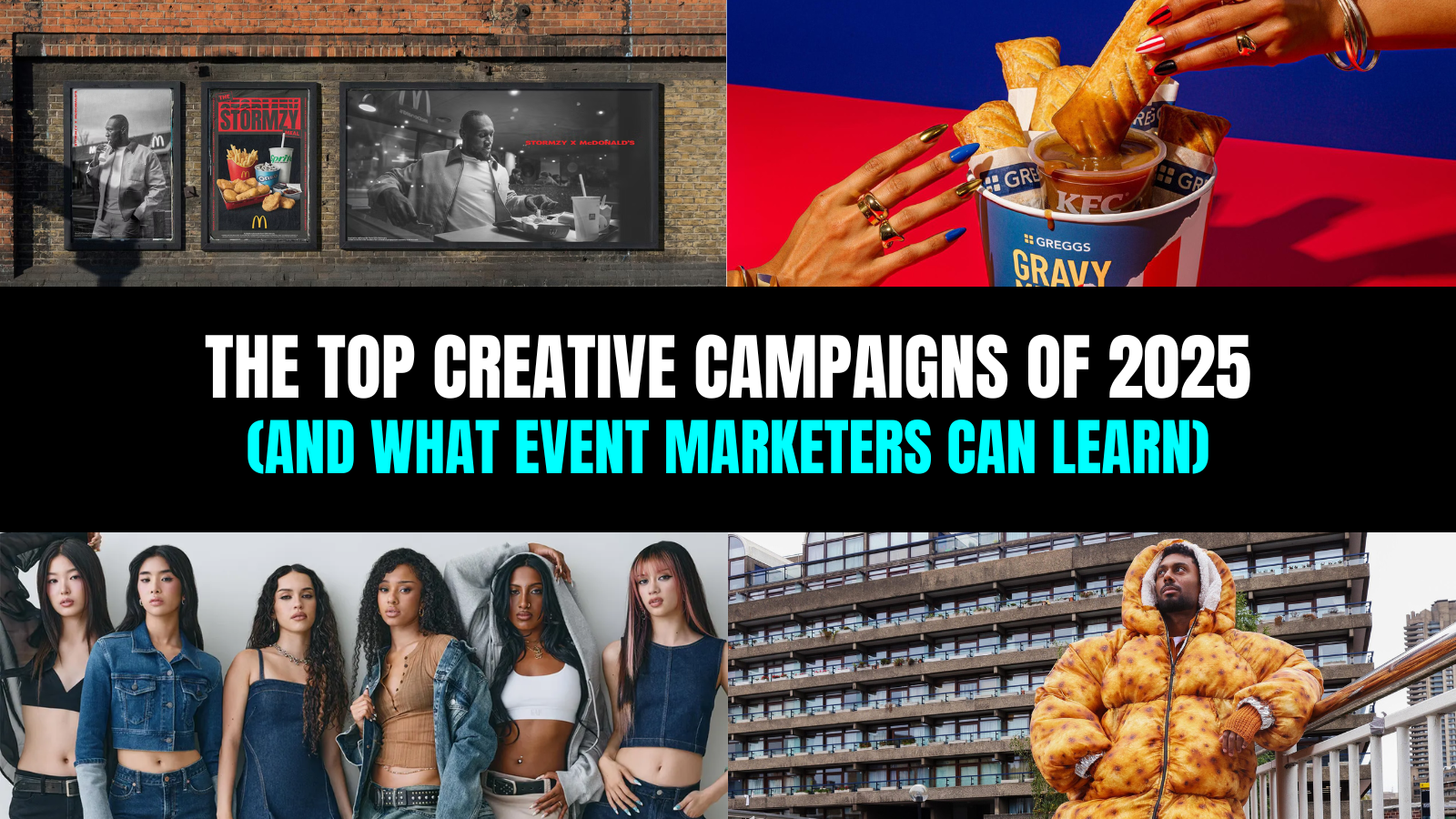
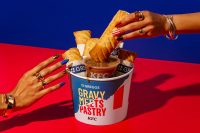
Two of the UK’s most loved food brands teamed up for a limited-time pop-up roadshow that did one simple thing well. It turned a cultural joke into a real experience. Greggs sausage rolls dipped in KFC gravy were handed out in major UK cities, complete with queues, merch and plenty of social content.
Why it worked:
It was playful, self-aware and unmistakably British. The activation wasn’t about scale, but rather about shareability.
What event marketers can take from this:
Unexpected collaborations can create buzz far beyond their footprint.
How this can be applied:
- Create shared spaces with a complementary brand (e.g. a co-hosted “Collision Lounge” at a logistics conference, where a shipping line and a technology provider create a joint networking zone).
- Run co-hosted sessions that blend perspectives rather than siloed talks.
- Create a physical manifestation of a partnership, not just a logo on a slide.
McDonald’s x Stormzy – The Big Mike Order (February 2025)
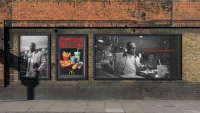
The Big Mike Order was more than a celebrity meal deal. McDonald’s tapped into Stormzy’s influence with younger UK audiences and turned a simple product launch into a moment that lived across TikTok, social feeds and high streets.
Why it worked:
Authenticity. The partnership felt natural.
What event marketers can take from this:
When working with talent, speakers or ambassadors, relevance matters more than reach.
How this can be applied:
- Replace generic keynote speakers with industry figures your audience respects.
- Build content around those voices, not just their session slot.
- Let influential attendees or panellists create pre-event content, shaping audience anticipation.
Apple TV+ – Severance Pop-Up at Grand Central Terminal (January 2025)
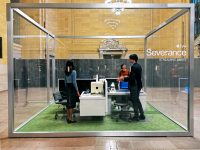
To promote Severance, Apple TV+ transformed part of Grand Central Terminal into a real-world extension of the show’s office environment. Commuters found themselves face-to-face with the brand’s aesthetic – minimalist desks, identical outfits, and eerily silent performers, blurring the line between everyday life and fiction.
Why it worked:
It was impossible to ignore and didn’t rely on an explanation. The experience was visually striking, recognisable, and designed to be shared.
What event marketers can take from this:
You don’t need a big stage to create a big moment – you need a strong idea, placed where your audience already is.
How this can be applied:
- Translate your event’s theme into a physical visual moment that stops people in their tracks.
- Design one highly distinctive installation that becomes the image associated with your event.
- For B2B events, consider branded arrival moments, unexpected networking setups, or content capture zones that cleverly reflect the industry.
ALDI x Agro Studio – The Jacket Potato Jacket (October 2025)
A limited-edition puffer jacket designed to look like a baked potato shouldn’t work, and yet it did. ALDI’s collaboration with Agro Studio leaned into humour and absurdity, generating organic press and social traction.

Why it worked:
It didn’t take itself too seriously and was built for sharing.
What event marketers can take from this:
Merch doesn’t have to be generic. Limited-edition or tongue-in-cheek items can become conversation starters.
How this can be applied:
- Create event merch that reflects your industry (e.g. a “Site-Ready Gilet” for a built-environment expo).
- Offer “only available on-site” experiences, such as content, tools, or special reports.
- Don’t be afraid of light humour in signage, stage names, or networking zones.
Gap – Better in Denim ft. Katseye (August 2025)
A dance trend turned into a global fashion moment. Gap’s campaign proved that when audiences are invited to participate, they do the distribution for you.
Why it worked:
The format was easy to copy, remix and share.
What event marketers can take from this:
Design moments at your event that people can recreate.
How this can be applied:
- Include live audience challenges or voting that feed into the closing session.
- Encourage peer-led content, audience questions, and collaborative sessions.
- Make it easy for attendees to create and share content without being influencers.
Guinness – Pint of View (November 2025)
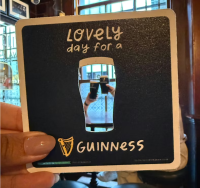
Guinness turned a simple, everyday object (a beer mat) into an unexpected brand moment. Each mat was designed to encourage conversation and be shareable, transforming something ordinary into an interactive experience.
Why it worked:
It took something familiar and reimagined its purpose, making it practical, witty, and shareable.
What event marketers can take from this:
Creative utility wins every time.
How this can be applied:
- Think functional items that solve real event-day problems.
- Turn everyday items into moments attendees use and photograph.
- Keep ideas rooted in your event’s personality or theme.
Nike x SKIMS – Bodies at Work (September 2025)
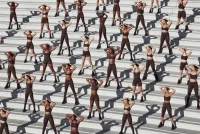
Nike and SKIMS launched a culture-led campaign centred on inclusivity and performance, blending fashion, sport and social commentary.
Why it worked:
It tapped into a wider cultural conversation, not just a product launch.
What event marketers can take from this:
Audiences engage more deeply when events stand for something.
How this can be applied:
- Be clear about what your event stands for, not just what it covers.
- Reflect industry challenges honestly, not just success stories.
- Build sessions around real problems, not polished case studies.
Budweiser – First Delivery (January 2025)
Budweiser returned to cinematic storytelling, focusing on heritage, emotion and brand legacy, proving that big moments still matter.
Why it worked:
Strong narrative, clear emotion, and confident restraint.
What event marketers can take from this:
Not every event needs gimmicks. Sometimes, telling a strong story well is what creates memorability.
How this can be applied:
- Focus on narrative over overload.
- Use opening and closing moments to anchor your event emotionally.
- Consider narrative-led keynotes to frame your industry’s evolution.
John Lewis – “Where Love Lives” (November 2025)
John Lewis returned to emotional Christmas storytelling with “Where Love Lives”, exploring how love is passed between generations through shared moments and music.
Why it worked:
It prioritised emotion over promotion, telling a story people could see themselves in.
What event marketers can take from this:
Emotion isn’t just for consumer brands; it’s a powerful differentiator in B2B.
How this can be applied:
- Build campaigns around why people attend, e.g. connection, belonging, or shared industry challenges.
- Use storytelling-led creative across social, email, and video.
- For recurring events, lean into legacy (it’s an asset).
What These Campaigns Have in Common
Despite their differences, the most effective campaigns of 2025 share a few key traits:
- They invite participation.
- They use physical moments to fuel digital reach.
- They understand culture before channels.
- They prioritise experience over exposure.
The takeaway is simple. Events are no longer just moments in time; they’re platforms for stories, communities, and content.
Final Thoughts
The best creative campaigns don’t feel like marketing. They feel like something natural that people want to be part of.
For event specialists, the opportunity lies in designing experiences that audiences don’t just attend, but actively share, remember, and talk about long after the doors close.
At MCM, we help event brands spread the word digitally, using smart paid media and creative content that gives audiences a reason to engage, whether booking tickets or attending on the day.
If you’re looking to apply some of these ideas to your next event campaign and want support getting the right message in front of the right audience, get in touch.